A Fresh Start Begins With Your Smile
If you’ve been putting off fixing missing teeth, you’re not alone. Life gets busy, budgets feel tight, and it’s easy to tell yourself, “I’ll deal with it later.” But here’s the honest truth: the longer you wait, the more your mouth (and confidence) can pay the price.
The good news is that modern dentistry offers solutions that don’t just cover up the problem—they rebuild what’s missing in a way that can feel stable, natural, and empowering. That’s why so many people are exploring dental implants in Freeport as a long-term path back to comfort, function, and a smile they’re proud to share.
This guide is here to help you move from “maybe someday” to clear, confident action. You’ll learn what implants are, who they’re for, what the process looks like, and how to plan your next steps—without overwhelm.
Why Missing Teeth Deserve Your Attention (Without Shame)
Missing a tooth can feel like a small thing—until it isn’t.
You might notice:
- You chew on one side “just for now”
- Certain foods suddenly feel off-limits
- Your bite feels different
- You hide your smile in photos
- You feel self-conscious in conversations
None of this is about blame. Teeth can be lost for countless reasons: injury, decay, gum issues, old dental work failing, or simply years of wear. What matters now is what you do next.
The Hidden Costs of Waiting
When a tooth is missing, the jawbone in that area no longer gets the stimulation it needs. Over time, bone volume can decrease. Nearby teeth may shift into the open space, changing your bite and making cleaning harder.
Even if you can “get by” today, waiting can create complications later that may require more extensive treatment.
Taking action doesn’t have to be dramatic. It can start with one appointment, one conversation, and one plan.
What Dental Implants Are (In Simple Terms)
A dental implant is a small post—typically made of titanium or a similar biocompatible material—that is placed into the jawbone to act like an artificial tooth root. After it integrates with the bone, it can support a crown (single tooth), a bridge (multiple teeth), or a denture (full-arch restoration).
Think of implants as rebuilding the foundation, not just the visible part.
How Implants Compare to Other Tooth Replacement Options
Different solutions fit different goals and budgets. Here’s a practical overview:
- Dental implant + crown: Replaces the root and the tooth. Often chosen for stability and a natural feel.
- Bridge: Replaces the tooth/teeth above the gumline, usually supported by adjacent teeth. Can be effective but may require reshaping neighboring teeth.
- Denture: Replaces multiple teeth. Can be removable or secured with implants. May be the most accessible starting point for some, though fit and stability vary.
Implants aren’t “the only” answer—but for many people, they’re the most confidence-building and function-restoring one.
Why People Choose Dental Implants in Freeport
When you decide to restore your smile, location matters. You want care that’s convenient, consistent, and supportive—especially if your treatment involves several visits.
Choosing dental implants in Freeport can mean easier scheduling, local follow-ups, and continuity of care—without feeling like you’re traveling for every step.
Benefits Patients Commonly Appreciate
While every case is unique, many people pursue implants because they can offer:
- Strong, stable chewing
- A natural look and feel
- No reliance on adhesives (for implant-supported restorations)
- Support for jawbone health by providing stimulation similar to a natural tooth root
- Confidence in social situations
Most importantly: implants can feel like a turning point. Not just a dental procedure, but a personal reset.
Are You a Good Candidate for Dental Implants?
A lot of people assume they’re not eligible—especially if they’ve been missing teeth for years. But candidacy isn’t always as narrow as people fear.
In general, implant candidacy depends on:
- Overall oral health
- Gum health
- Bone volume in the implant area
- Medical history (some conditions may require extra planning)
- Lifestyle factors (like smoking, which can affect healing)
What If You’ve Been Missing Teeth for a Long Time?
Missing teeth for a long time can mean less bone in that area, but it doesn’t automatically disqualify you. In some situations, bone grafting or other preparatory steps may be recommended.
The key is not guessing—get evaluated, then decide based on real information.
The Step-by-Step Implant Process (What to Expect)
Knowing the process ahead of time can reduce anxiety and help you plan around work, family, and life.
1) The Consultation and Personalized Plan
This is where clarity begins. Your dentist will evaluate your mouth, discuss your goals, and determine what options fit your needs. Imaging may be used to assess bone and anatomy.
This is also the right time to talk openly about:
- Your timeline
- Your budget
- Any dental anxiety
- Your biggest priorities (appearance, function, long-term durability)
If you don’t already have a baseline, scheduling dental exams in Freeport is a smart first step—especially if it’s been a while. A thorough exam can uncover issues that should be addressed before implant placement.
2) Preparing the Site (If Needed)
Some patients need preliminary care such as:
- Treating gum inflammation or infection
- Removing a damaged tooth
- Bone grafting to improve support
- Adjusting a bite issue that could impact results
Preparation isn’t a setback—it’s part of doing the job right.
3) Implant Placement
The implant post is placed in the jawbone. Healing time varies from person to person, and your dentist will guide you through what to expect, including comfort measures and aftercare instructions.
4) Healing and Integration
Over time, the implant integrates with the bone (a process commonly called osseointegration). This step helps create the stable base that makes implants feel secure.
5) The Final Restoration
Once healing is complete, the final crown, bridge, or denture is attached. This is where form meets function—the point where your smile feels “whole” again.
Single Tooth vs. Multiple Teeth: Implant Options That Fit Real Life
Not everyone needs the same type of implant solution. One of the most motivating parts of modern implant dentistry is that it can be customized to your situation.
Single-Tooth Implant
Ideal when you’re missing one tooth and want to avoid altering neighboring teeth (as can happen with a bridge). Many people love the simplicity of replacing just what’s missing—nothing more, nothing less.
Implant-Supported Bridge
If you’re missing several teeth in a row, implants can sometimes support a bridge without needing an implant for every missing tooth. This approach may reduce complexity while still offering stability.
Implant-Supported Dentures (Full-Arch Options)
For extensive tooth loss, implant-supported dentures can improve fit and reduce slipping. Some designs are removable, while others are fixed in place and only removed by the dental team for maintenance.
The right solution depends on anatomy, goals, and comfort preferences—not a one-size-fits-all formula.
The Confidence Factor: How a Restored Smile Changes Daily Life
People often talk about implants in terms of chewing or aesthetics, but the emotional impact is just as real.
A secure smile can affect:
- How you speak (and whether you hold back)
- What you order at restaurants
- How you show up at work
- Whether you laugh freely
- How you feel in photos and social settings
This isn’t vanity. It’s quality of life.
If you’ve been telling yourself you’ll feel confident “once everything is perfect,” consider this: progress creates momentum. Taking action now can change how you feel this month—not just someday.
What to Ask at Your Implant Consultation
Walking into a consultation with the right questions can help you feel in control and make decisions based on clarity rather than pressure.
Consider asking:
- What implant options fit my specific situation?
- Do I need any treatment before implant placement?
- What will healing look like for me?
- What type of restoration will I receive (crown, bridge, denture)?
- How many visits should I expect?
- What will maintenance involve long-term?
- What are the risks in my case, and how do we reduce them?
Bring a list. Take notes. Ask for explanations in plain language. You deserve to understand your own care.
How to Prepare for a Smooth Recovery
Recovery looks different for everyone, but a few habits can make the process easier.
Set Yourself Up Before Your Appointment
- Stock up on soft foods for the first few days (soups, yogurt, smoothies, eggs)
- Arrange transportation if you’re advised not to drive
- Plan a lighter schedule for the first 24–48 hours if possible
- Follow pre-op instructions carefully (especially regarding medications)
Protect Your Investment Afterward
Long-term success isn’t just about the procedure—it’s about care after the fact:
- Brush and floss consistently
- Keep up with routine cleanings and exams
- Avoid using teeth as tools (opening packaging, chewing ice)
- Address grinding if it’s an issue (a night guard may be recommended)
If you’re not currently consistent with checkups, getting back on track with dental exams in Freeport can make a meaningful difference—not only for implants, but for your overall oral health.
Budgeting for Implants Without Feeling Overwhelmed
Cost is real, and it matters. But “I can’t afford it” often really means, “I don’t know how I’d make it work.”
A more empowering question is: What are my options?
Here are practical steps:
- Ask for a written treatment plan so you can see the full picture
- Discuss phased treatment if appropriate (handling urgent needs first)
- Ask what’s included (imaging, temporary restorations, follow-ups, etc.)
- Check whether your insurance offers any coverage for parts of the process
- Explore financing options if available through the practice or third parties
Even if you’re not ready today, learning your options can replace uncertainty with a real plan.
Choosing the Right Provider in Freeport
Implant dentistry combines planning, precision, and long-term follow-through. You want a team that communicates clearly and respects your goals—not one that rushes you.
A strong provider experience often includes:
- A thorough evaluation before recommending treatment
- Transparent timelines and expectations
- A clear explanation of options
- A focus on comfort and patient education
- Long-term support and maintenance guidance
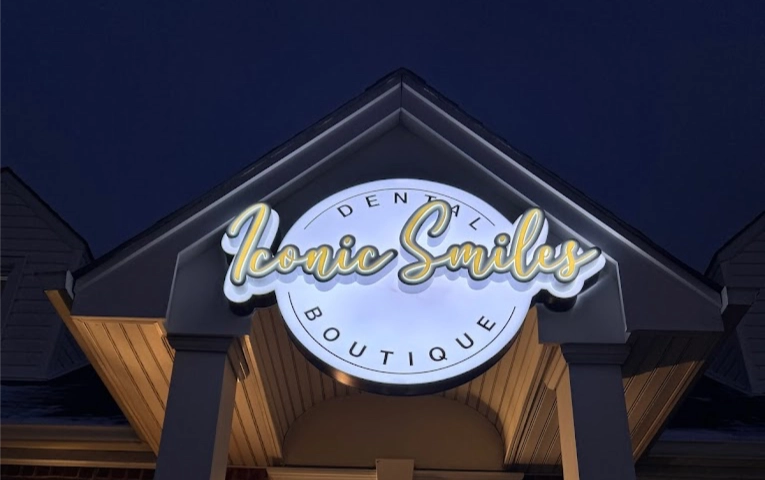
If you’re looking for a local practice to start the conversation, Iconic Smiles in Freeport is one option to consider for personalized care and a plan that fits your life.
Turning “Someday” Into a Real Plan This Week
Motivation isn’t about waiting until you feel fearless. It’s about taking the next step even if you feel uncertain.
Here’s a simple, actionable plan you can follow:
Step 1: Decide What You Want Most
Choose your top priority:
- Chewing comfortably
- Smiling without hesitation
- Fixing shifting teeth
- Replacing a denture with something more stable
- Restoring one visible tooth that’s affecting confidence
Step 2: Book an Evaluation
If you’ve been searching online for dental implants near me, use that momentum. Pick a day, schedule the appointment, and treat it like a promise to yourself.
Step 3: Commit to Clarity, Not Pressure
Your first visit doesn’t have to lock you into treatment. It simply gives you real information—what’s possible, what it takes, and what your next steps would be.
Step 4: Take One Concrete Next Step
After your consultation, choose one action:
- Schedule the next appointment
- Start preparatory care
- Request a financing breakdown
- Set a realistic timeline for moving forward
Progress loves specifics.
Practical Maintenance Tips for Long-Term Implant Success
Implants can be a long-term solution, but they still require care. The goal is to protect the health of the surrounding gums and keep everything clean and stable.
Helpful habits include:
- Brushing twice daily with a soft-bristled brush
- Cleaning between teeth daily (floss, interdental brushes, or water flossers)
- Keeping routine dental visits, even if everything feels fine
- Mentioning any discomfort, looseness, or changes right away
If you treat your implants like part of your body—because they are part of your oral system—you give them the best chance of lasting.
Stop Waiting Start Rebuilding
Missing teeth can make you feel like you have to hold back—on food, on laughter, on confidence, on showing up fully. But you don’t have to stay in that place.
Exploring dental implants in Freeport can be the beginning of a stronger, more comfortable daily life—where you eat what you want, speak without hesitation, and smile like you mean it.
Take the next step in a way that respects your pace. Ask questions. Get a plan. And let this be the moment you stop postponing yourself.